Ship Wi-Fi can cover sea days
It is the relevant option when internet access is needed while the vessel is away from land, subject to the cruise line's current package, device, and performance terms.
Cruise connectivity reality guide
Understand ship Wi-Fi, maritime cellular service, and travel eSIM coverage in foreign ports before choosing cruise connectivity.
Quick reality check
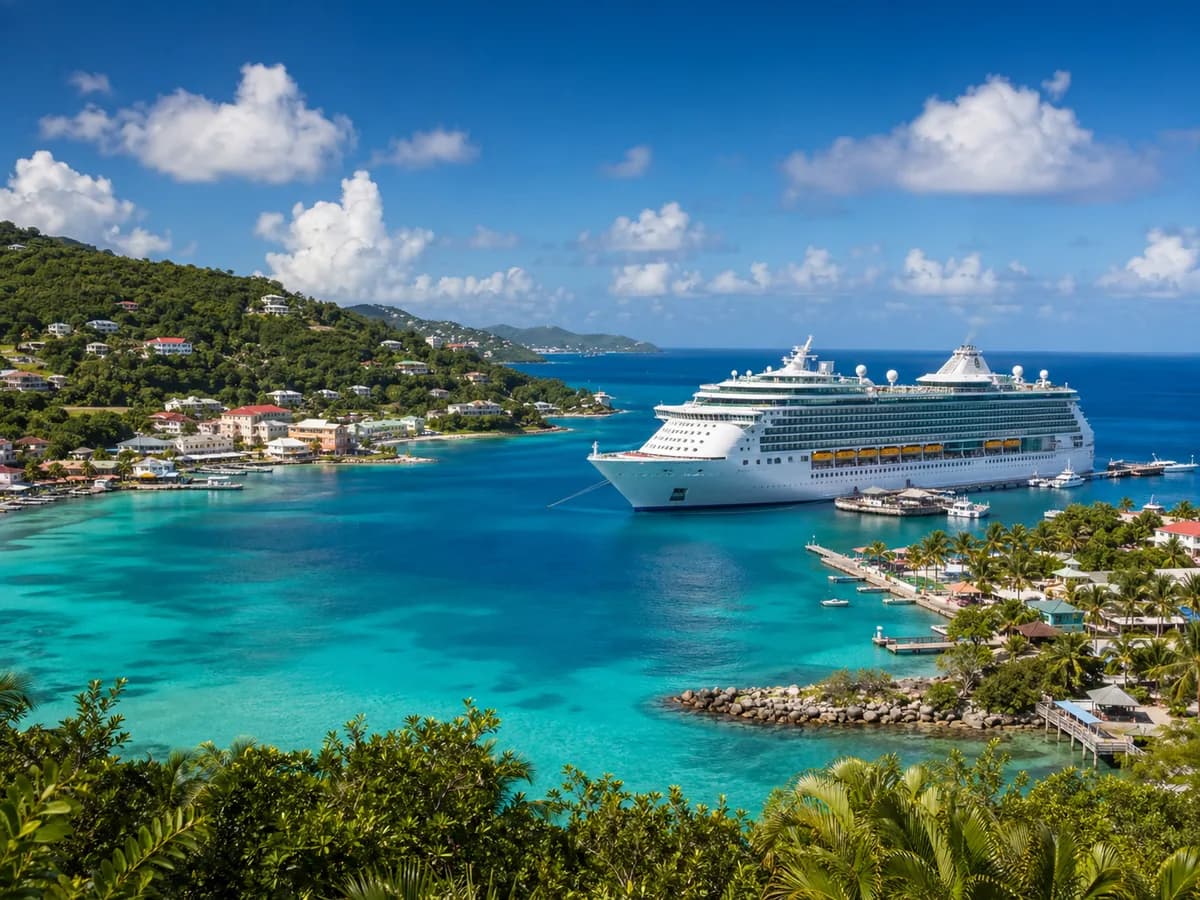
Cruise Wi-Fi is the ship's internet connection and may work while aboard according to the cruise line's current package and technical limits. A travel eSIM uses supported land-based cellular networks in covered countries or ports. It should not be expected to provide service at sea, and maritime cellular roaming can create separate carrier charges.
It is the relevant option when internet access is needed while the vessel is away from land, subject to the cruise line's current package, device, and performance terms.
An unlocked compatible phone may connect to covered terrestrial networks without swapping a physical SIM, which can help with maps, messages, and local planning ashore.
Performance, supported activities, number of devices, login process, and package rules depend on the ship and sailing. Confirm directly with the cruise line.
Coverage depends on provider, country, plan, device, network availability, and activation. It is not evidence of signal at a specific pier and is not a sea-day product.
Ships may operate maritime networks in international waters. Travelers should follow their carrier and cruise line instructions to avoid unintended roaming.
Some travelers only need the cruise app and occasional shore data; others need work calls or continuous access. Start with the actual use case.
Install and understand the eSIM before leaving reliable connectivity. Keep the original line settings and recovery instructions available offline.
Who benefits, what problem it solves, and what to verify.
Worth considering for sea-day work, regular family contact, or needs that cannot wait for port. Verify whether the planned apps and number of devices are supported.
More useful for an itinerary with several supported foreign ports and a traveler who needs independent cellular data ashore.
Potentially rational when reliable sea-day access and port-day cellular data solve separate needs. Avoid buying both by default without defining those needs.
Conditional tradeoffs, not universal verdicts.
May be unnecessary when the home plan already covers domestic ports and the traveler does not need foreign-port data.
Follow current carrier and cruise-line guidance. Airplane mode with deliberately enabled Wi-Fi is a common control, but device steps vary.
Official live-data context
The latest validated V29 package is current. Tide context does not confirm port or sailing operations.
Port Canaveral
Official tide predictions available
PortMiami
Official tide predictions available
Port Everglades
Official tide predictions available
Port Tampa Bay
Official tide predictions available
Private, on this device
Selections stay in this browser. No account or personal information is used.
Official sources support changeable facts. Planning judgments are conditional and identify the traveler who benefits. No first-person trip is implied.
Published and editorially reviewed July 14, 2026. Live timestamps update independently. Recheck when airline, airport, baggage, entry, transport, or affiliate policies change.
Return to this plan
Saved only in this browser on this site. No account or cross-site tracking.
View My Trip